
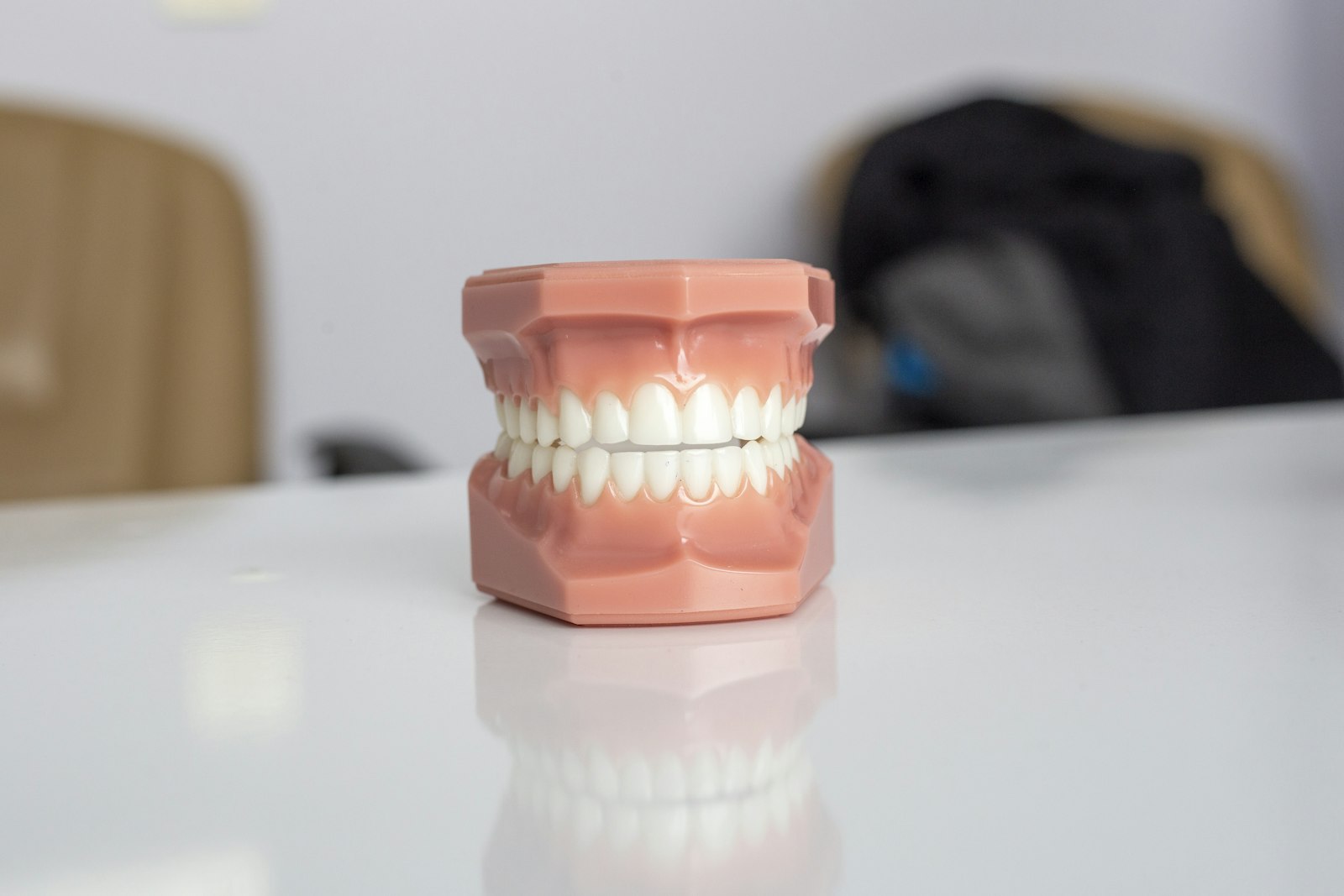
“My denture moves when I talk.” “I want suction dentures.” We hear these two sentences very often at our Korupark and Ataevler branches in Bursa. A suction denture is not actually a separate type of denture; it is the everyday name for a well-fitting complete denture that holds onto the palate by suction. In this article we explain how suction dentures stay in place, why the lower denture is harder to keep steady and what options there are for a denture that does not hold.
What is a suction denture?
Removable dentures made for people who have no teeth left are called complete (full) dentures, often simply called “false teeth”. A complete denture sits on the gums and the bone beneath. To stay in place without screws, clasps or adhesive, it has to fit the mouth very closely.
The name “suction denture” comes from the suction created by this close fit. Some clinics also use the name for dentures with specially shaped borders or a soft lining. In short, suction is the result of a well-made denture; it is not a separate part fitted inside it.
How does the suction effect work?
There is a very thin layer of saliva between the denture and the palate. The more closely the denture fits the tissues, the thinner this layer becomes and the harder it is to pull the denture away. It is similar to the resistance you feel when lifting a glass off a wet table.
The second important factor is the border seal. When the edges of the denture rest lightly against the soft tissue inside the cheeks and lips, air cannot get in and the suction is maintained. Over time, the muscles of the tongue, cheeks and lips also learn to hold the denture in place.
Why does the upper denture hold while the lower one moves?
In the upper jaw, the palate provides a wide area for the denture to sit on. This is why a well-fitting upper complete denture stays firmly in place by suction for most people.
In the lower jaw, the area is horseshoe-shaped and narrow. The tongue moves constantly, and the floor of the mouth rises and falls when you speak and swallow. For these reasons suction is limited for a lower denture. After teeth are removed, the bone shrinks over time; as the bone decreases, the lower denture may hold less well.
There are special impression methods designed to create a border seal for lower dentures as well. How well they will work for you depends on the height of your bone and the nature of your tissues. This can only be assessed at an examination.
How is a suction denture made?
The basis of a well-fitting denture is laid at the impression stage. The process usually follows these steps:
- Examination: The gums, bone and any existing denture are checked. An X-ray is taken if needed.
- Preliminary impression and custom tray: A tray made specifically for you is prepared from the first impression.
- Border moulding and final impression: The dentist asks you to open and close your mouth, swallow and move your lips. This shapes the edges of the denture to your muscles. The suction effect is mostly determined at this step.
- Bite record and tooth selection: The position of the jaws relative to each other is recorded, and the colour and shape of the teeth are chosen to suit your face.
- Try-in: The teeth are set in wax; appearance, speech and bite are checked in the mouth.
- Fitting and check-ups: The denture is fitted. Sore spots in the first weeks are adjusted at follow-up appointments.
The number of visits varies from person to person; the process is usually completed within a few weeks.
My denture does not hold: what can be done?
A denture that used to fit well can loosen over time. The most common reason is that the bone and gums beneath it change shape over the years. Broken, worn or very old dentures also lose their grip.
Relining
If the teeth of the denture are sound, only its inner surface can be renewed. This is called relining. The inner surface is remade to match the current shape of your mouth; in some cases a soft lining is used.
A new denture
If the denture is old, its teeth are worn or the bite has changed, making a new denture may be the better choice.
Implant-supported denture
Especially in the lower jaw, snap-on dentures that attach to two or more implants can noticeably reduce movement. The denture is still removable, but because it sits on the implants it stays more stable when you talk and eat. Whether this option suits you depends on how much bone you have and your general health.
Denture adhesives can help during the adjustment period or for short-term use. However, if you need adhesive all the time, the fit of the denture should be checked.
Getting used to it
A new denture may feel large and unfamiliar in the first days. You may produce more saliva and some sounds may be harder to say. Most people get used to speaking and eating within a few weeks; full adjustment can take a few months.
Reading aloud during this period helps speech improve faster. Eating small bites and chewing on both sides at once helps keep the denture balanced. If a sore or pressure spot develops, do not file the denture yourself; it is easily adjusted at a check-up.
Caring for suction dentures
- Take the denture out and rinse it with water after every meal.
- Brush it at least once a day with a soft brush and a denture cleaner. Toothpaste can scratch the surface.
- Take the denture out at night and keep it in clean water or denture solution. If it dries out, it may lose its shape.
- Do not use hot water; the denture may change shape.
- Clean your gums and tongue with a soft brush as well.
- Come for a check-up once a year even if the denture fits well.
What affects the cost of suction dentures?
It would not be accurate to give a single price for suction dentures. The cost depends on whether one or both jaws are treated, the materials used, whether a reline or a new denture is needed and whether implant support is planned. We share the plan that suits you and its cost clearly after the examination.
Frequently asked questions
Are suction dentures suitable for everyone?
In the upper jaw, good suction can be achieved for most people. In the lower jaw, the result depends on the height of the bone and the nature of the tissues. We discuss which method suits you at the examination.
Can a lower denture have suction too?
Suction is more limited in the lower jaw, but retention can be improved with special impression techniques. If there is very little bone, an implant-supported denture may be a more stable option.
Can my old denture be made to hold by suction?
If the teeth and structure of the denture are in good condition, its inner surface can be refitted to your mouth with a reline. If the denture is very old, a new one may be recommended.
Should I use denture adhesive?
It can help during the adjustment period or for short-term use. If you need it all the time, the fit of the denture should be checked.
Can I sleep with suction dentures?
It is generally recommended to take dentures out at night; this lets the gums rest and lowers the risk of fungal infection. Your dentist may advise otherwise if there is a specific reason.
Examination for suction dentures in Bursa
A loose denture is not something to put off by thinking “I’ll get used to it”. The cause is usually found at the examination, and a solution that suits you can be planned. For suction dentures or a denture that does not hold, you can book an appointment at our two branches in Bursa:
Korupark Branch (Osmangazi): +90 224 243 00 44 · WhatsApp +90 532 497 11 17
Ataevler Branch (Nilüfer): +90 224 503 66 00 · WhatsApp +90 552 503 66 00
Korudiş Dental Team
This article is for general information; the right treatment for you can only be decided by your dentist after an examination.