
For a painful tooth, the first thought for many people is “just take it out”. On the question of root canal or extraction, the general principle is this: a natural tooth that can be saved usually needs less treatment than anything made to replace it.
In short
- If the tooth can be saved, root canal treatment is usually the priority.
- Extraction is considered when the tooth cannot be restored.
- An extracted tooth usually needs replacing with an implant or bridge; extraction alone is not the end of treatment.
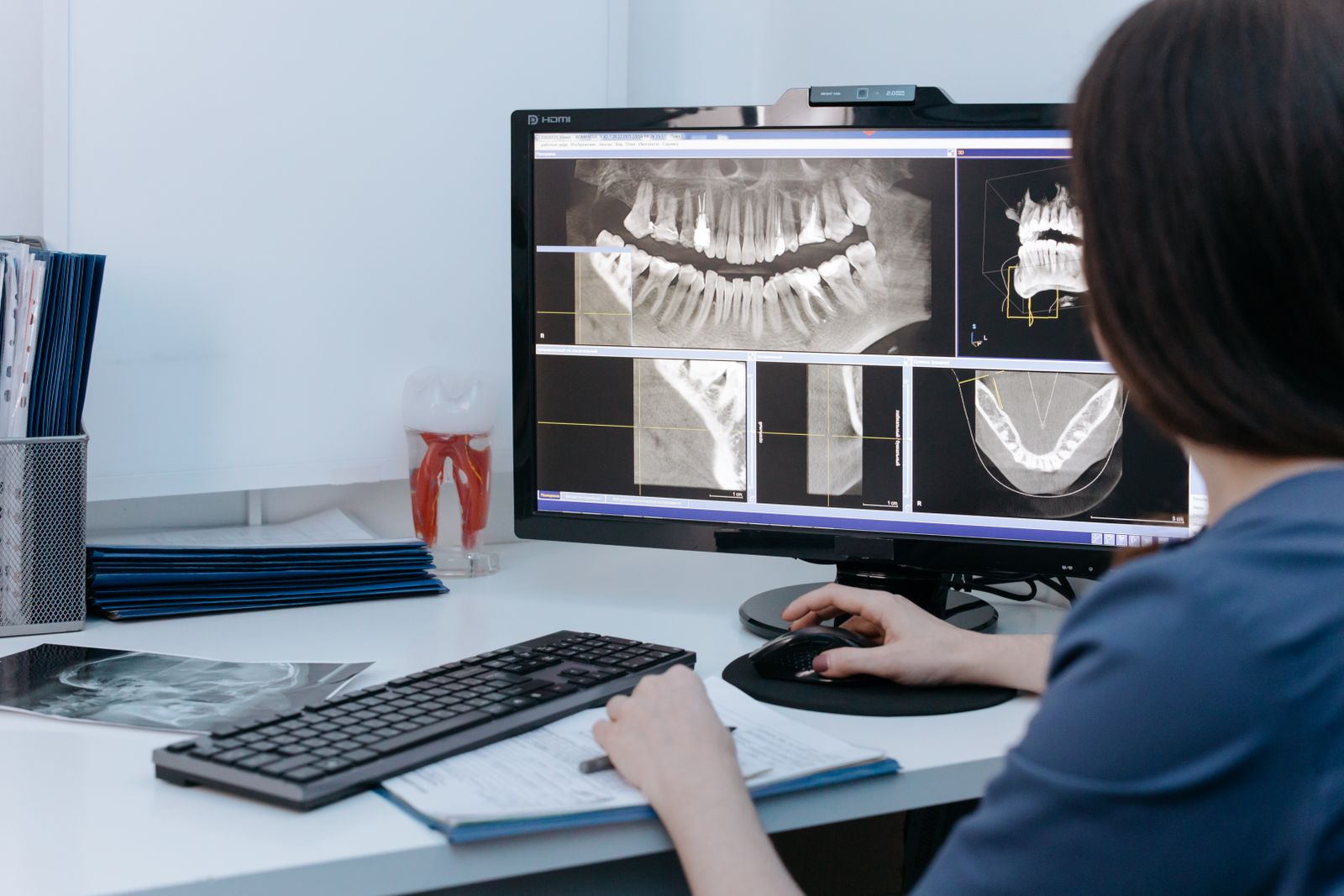
- The decision is made with an examination and X-ray, based on the remaining tooth structure.
What does root canal treatment offer?
In root canal treatment, the inflamed tissue inside the tooth is cleaned out and the canals are filled. The tooth stays in place, keeps chewing and holds space for its neighbours. The procedure is done under local anaesthetic.
When is extraction considered?
- When the tooth has lost too much structure to be restored
- When there is a vertical fracture in the root
- When advanced gum disease has left the tooth without bone support
- When previous treatment and retreatment have not worked
- In special situations such as orthodontic planning or impacted wisdom teeth
What happens after an extraction?
An extraction is quick, but the story usually doesn’t end there. The gap needs to be filled, which means an implant or a bridge. So when comparing the two options, it is worth considering not only today’s procedure but what follows.
Frequently asked questions
Which is harder, a root canal or an extraction?
Both are done under local anaesthetic. Root canal treatment may take longer, but the extra treatment needed after an extraction lengthens the overall process.
Can a root-canal-treated tooth still need extracting later?
Root-canal-treated teeth that are well restored and cared for can stay in the mouth for many years. Occasionally retreatment or extraction is needed.
Which teeth cannot have root canal treatment?
For teeth with a root fracture or without enough sound structure to restore, root canal treatment may not be a solution. The X-ray and examination show this.
Who makes the decision?
Your dentist explains the findings and options, and the decision is made together with you. You can also seek a second opinion.
Root canal treatment at Korudiş
At our branches, root canal treatments are planned by our dentists working in endodontics. For details, see our root canal treatment page or book an appointment.
This article is for general information. A personal diagnosis and treatment plan require an examination.
This article has been medically reviewed by Dt. İlhan Şirin. · November 2026