
Blood in the sink when you brush is often your gums’ way of saying something is not right. Tartar removal (scaling) is the basic step in preventing gum disease and stopping it early.
In short
- Tartar forms when bacterial plaque that isn’t cleaned away hardens over time, and it cannot be brushed off.
- Bleeding gums are the most common sign of gum inflammation (gingivitis).
- If left untreated, the inflammation can spread to the bone (periodontitis) and lead to tooth loss.
- A check-up and cleaning every 6 months are recommended.
Signs of gum disease
- Bleeding when brushing or flossing
- Red, swollen or tender gums
- Persistent bad breath
- Receding gums, with teeth looking longer
- Loose teeth or gaps opening between them
How is tartar removed?
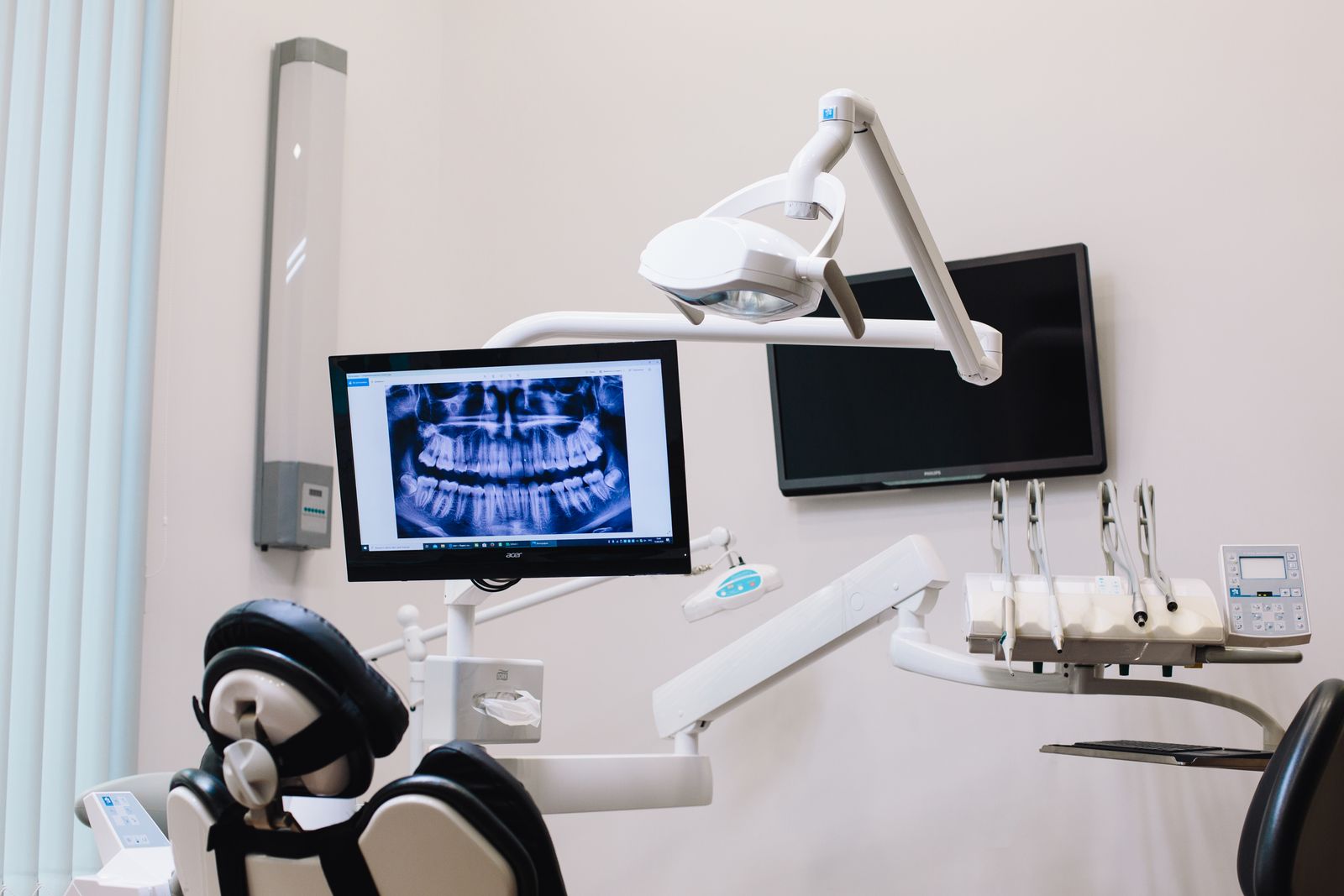
- Examination: The gums are assessed and, if needed, the bone is checked with an X-ray.
- Cleaning: Tartar on the tooth surfaces and along the gum line is removed with ultrasonic instruments.
- Polishing: The tooth surfaces are smoothed, making it harder for new plaque to stick.
- Curettage if needed: Tartar and inflamed tissue that have built up in the gum pockets are cleaned out.
Prevention at home
- Brush twice a day for at least two minutes each time.
- Clean between your teeth (floss or an interdental brush) once a day.
- Cut down on sugary and acidic snacks.
- Stop smoking; it can mask gum disease and make it worse.
Frequently asked questions
My gums bleed when I brush. Is that normal?
It is common, but it is not considered normal. Healthy gums do not bleed when brushed; bleeding is often the first sign of gum inflammation. At an early stage it can improve with scaling and correct brushing, so an examination without delay is recommended.
Does tartar removal damage the teeth?
No. Scaling done with the right techniques does not damage tooth enamel. There may be brief sensitivity after the cleaning.
How often should tartar be removed?
For most people, every 6 months is recommended. For those who build up tartar quickly or have gum disease, the dentist may suggest more frequent check-ups.
Should I stop brushing if my gums bleed?
No. Bleeding is usually a sign of plaque build-up; keep brushing gently but regularly with a soft brush, and see your dentist.
Gum treatment at Korudiş
At our Korupark and Ataevler branches, tartar removal and gum treatments are planned after an examination. For details, see our gum treatment page or book an appointment.
This article is for general information. A personal diagnosis and treatment plan require an examination.
This article has been medically reviewed by Dt. İlhan Şirin. · November 2026