
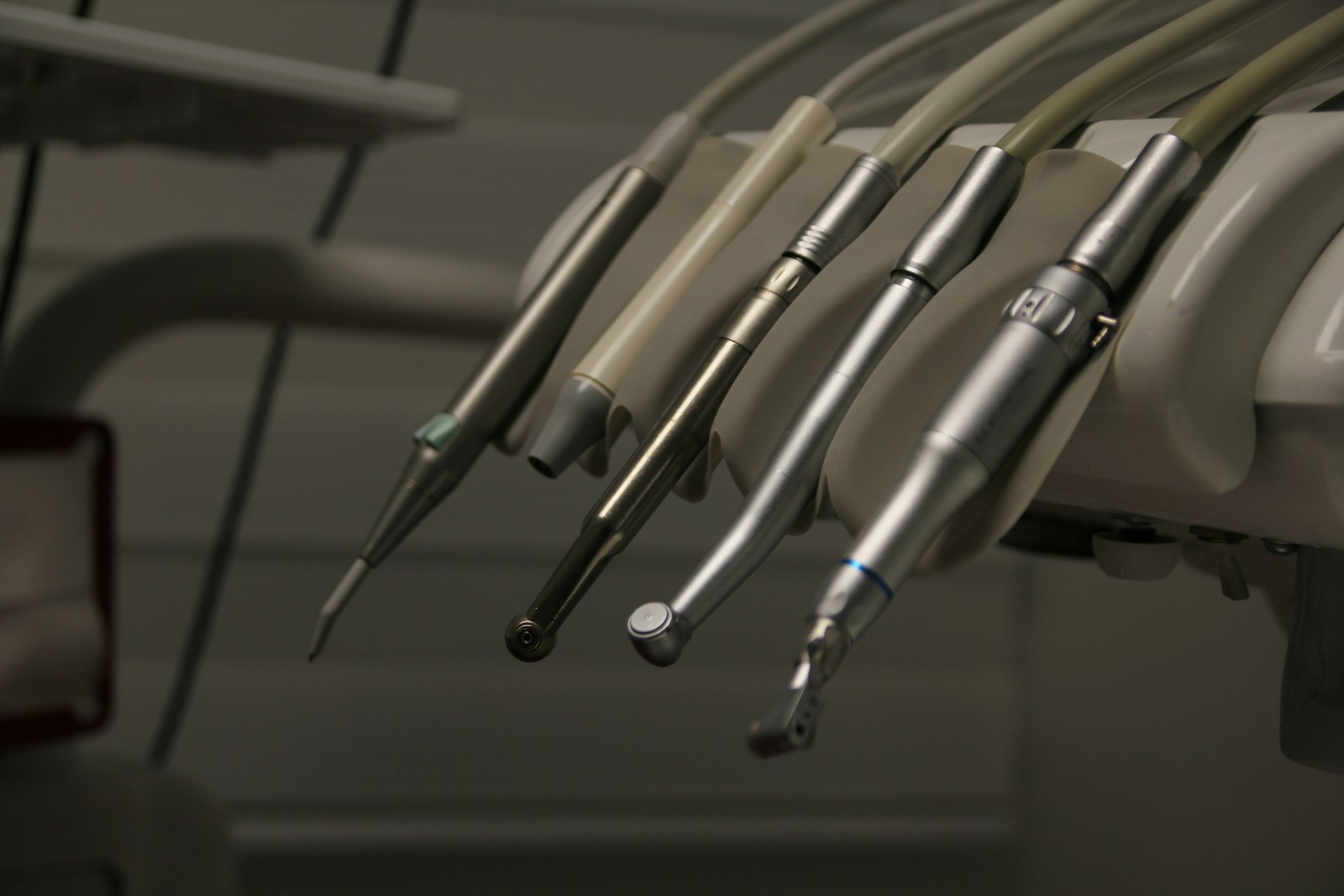
Do you feel a twinge in a tooth when drinking cold water, or have you noticed a hole with your tongue? These are often the first signs of decay and can be treated easily with a dental filling at an early stage. In this article we explain when a filling is needed, how it is done and what to pay attention to afterwards. As it is one of the treatments we do most often at our Korupark and Ataevler branches in Bursa, we have gathered the common questions too.
What is a dental filling?
A dental filling is material placed to replace tooth structure lost to decay or a fracture. The decay is removed first, and the resulting space is filled to match the shape of the tooth. The aim is to stop the decay from progressing and restore the tooth’s chewing function.
When is a filling needed?
- When decay has formed in the tooth
- When the tooth is broken or a piece has come off
- When an old filling has broken, fallen out or decayed at the edge
- When wear on the tooth has caused sensitivity
Decay does not always cause pain. This is why regular check-ups help spot decay while it is small and can still be treated with a filling.
Types of dental fillings
Composite filling
This is the most commonly used type of filling today. Because it is tooth-coloured, it can be used on both front and back teeth. Because it is bonded to the tooth, less healthy tissue usually needs to be removed. We explain its use on front teeth separately in our front tooth bonding article.
Glass ionomer filling
A material that can release fluoride. It is mostly preferred for baby teeth, decay at the gum line or when a temporary solution is needed.
Inlays and onlays
If the decay is very large and a regular filling cannot support the tooth well enough, ceramic or composite pieces made in a laboratory are used. We explain when they are preferred in our inlay, onlay and overlay article.
How is a filling done?
- Examination and X-ray: The size of the decay and its relation to the nerve of the tooth are assessed.
- Numbing: Local anaesthesia is given if needed.
- Removing the decay: The decayed tissue is removed and healthy tissue is preserved.
- Placing the filling: The composite filling is placed layer by layer and each layer is hardened with a light.
- Finishing: The bite is checked, and the filling is shaped and polished.
Most fillings are completed in a single session. If the decay is very close to the nerve, additional measures may be taken to protect it; if the nerve is inflamed, root canal treatment may be needed.
What to pay attention to after a filling
- Do not eat or have hot drinks until the numbness wears off; you might bite your lip or cheek without noticing.
- Because a composite filling is hardened with light, you can eat once the numbness has worn off.
- There may be sensitivity to hot and cold for the first few days; it usually eases on its own.
- If the filled tooth feels “high” or hurts when you bite, come back so your dentist can adjust the bite.
- If the sensitivity keeps increasing, or pain at night or throbbing starts, come for a check-up without waiting.
How long does a filling last?
The lifespan of a filling depends on its size, the position of the tooth, chewing forces, any clenching habit and, above all, oral care. New decay at the edge of the filling is the most common reason for replacing it. With regular brushing, flossing and a check-up at least once a year, fillings can be used for many years.
How do I know a filling needs replacing?
- If you see darkening or a crack at the edge of the filling
- If food has started getting stuck in the tooth
- If there is new sensitivity or pain in the filled tooth
- If part of the filling has broken off
Some of these signs can progress unnoticed. At check-ups, the edges of fillings and, if needed, the situation underneath are assessed with X-rays.
What affects the cost of a dental filling?
The cost depends on the size of the filling, how many surfaces it covers, the material used and whether additional procedures are needed. We share the plan that suits you and its cost clearly after the examination.
Frequently asked questions
Does a filling hurt?
Local anaesthesia is given when needed; most people only feel vibration and pressure during the procedure.
When can I eat after a filling?
A composite filling hardens during the procedure. You can eat once the numbness has worn off.
Is sensitivity normal after a filling?
There may be mild sensitivity to hot and cold for the first few days. If the sensitivity increases, or you have pain when biting or pain at night, see your dentist.
Do my old fillings need to be replaced?
Fillings that are sound and have intact edges do not need to be replaced just because they are old. They are renewed if there is a fracture, decay or leakage.
Can fillings be done during pregnancy?
Dental treatment during pregnancy can be done when planned with your dentist; the second trimester is generally considered more suitable. Always mention that you are pregnant when you come for your examination.
Dental filling examination in Bursa
If you have noticed sensitivity, a hole or a chip in a tooth, an early examination keeps treatment simpler. You can book an appointment at our two branches in Bursa:
Korupark Branch (Osmangazi): +90 224 243 00 44 · WhatsApp +90 532 497 11 17
Ataevler Branch (Nilüfer): +90 224 503 66 00 · WhatsApp +90 552 503 66 00
Korudiş Dental Team
This article is for general information; the right treatment for you can only be decided by your dentist after an examination.