
Baby teeth should not be neglected just because they will be replaced. As well as chewing and speech, baby teeth hold space for the permanent teeth coming in underneath. The earlier the habit of brushing children’s teeth starts, the lower the risk of tooth decay.
In short
- Start brushing on the day the first tooth appears.
- Up to age 3, a rice-grain-sized smear of fluoride toothpaste is enough; from 3 to 6, a pea-sized amount.
- Twice a day for 2 minutes each time; the evening brush is the most important.
- The first dental visit should be when the first tooth appears, or by age 1 at the latest.
Brushing by age
Age 0–3
Before the first tooth appears, you can wipe the gums with a clean, damp gauze. With the first tooth, switch to a baby toothbrush and a rice-grain-sized smear of fluoride toothpaste. Do all the brushing yourself.
Age 3–6
The amount of toothpaste should be the size of a pea. Let your child have a go at brushing, then finish it yourself. Teach them not to swallow the toothpaste and to spit it out; there is no need to rinse with lots of water.
Age 6 and over
The first permanent molars come through at this age, and these are usually the teeth that decay most. Children cannot brush well enough on their own until about 7–8, so keep checking in the evenings.
The right brush and the right technique
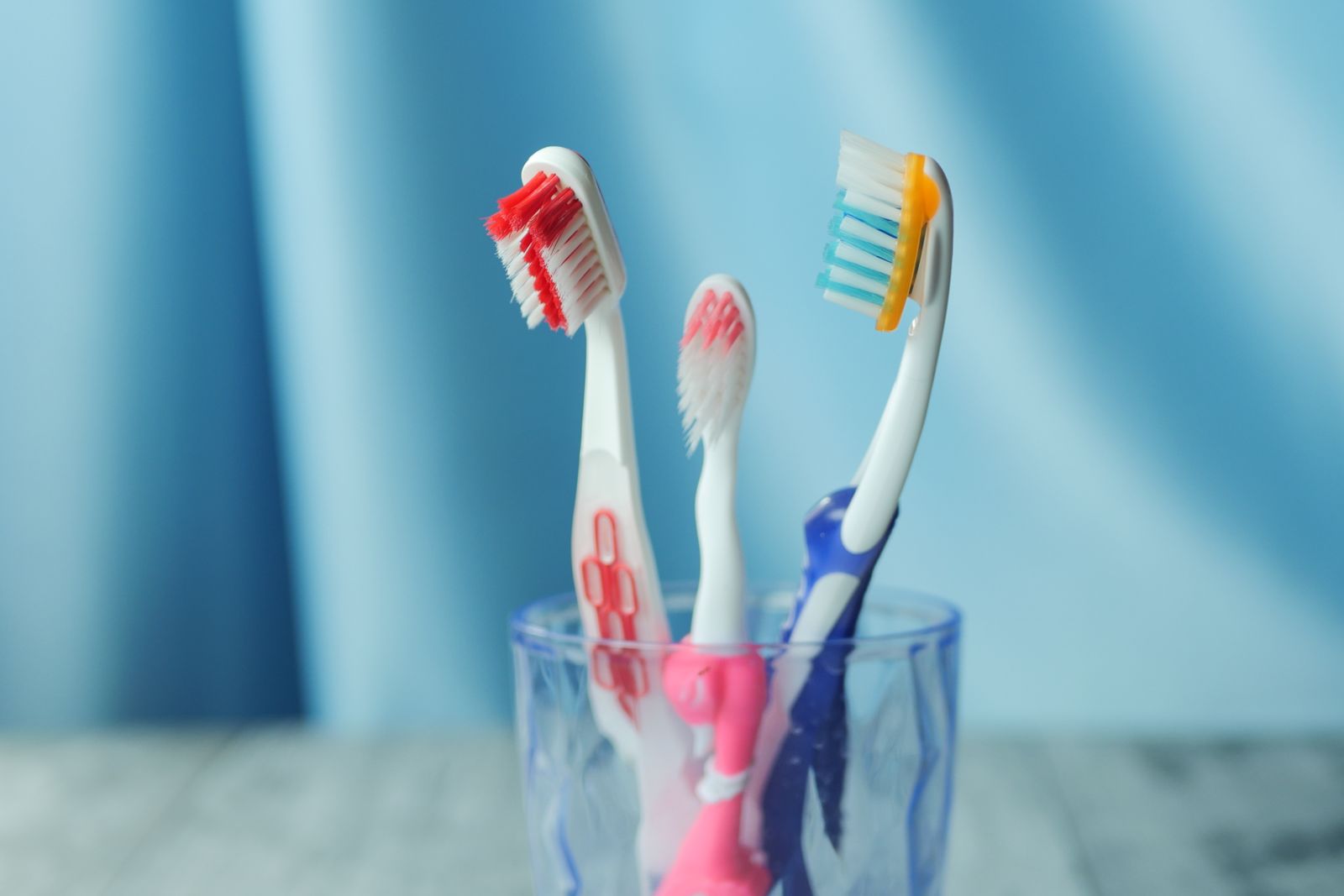
- Choose an age-appropriate brush with a small head and soft bristles.
- Hold the brush at a slight angle to the gum and make small circular movements.
- Don’t forget the inner and chewing surfaces of the teeth.
- Replace the brush every 3 months or when the bristles splay.
Habits that increase the risk of decay
- Falling asleep with a bottle or while breastfeeding
- Milk, juice or snacks after the evening brush
- Frequent sugary drinks and snacks throughout the day
Frequently asked questions
When should I first take my child to the dentist?
When the first tooth appears, or by age 1 at the latest. This visit is both a check-up and a chance to inform the family; it also helps the child get used to the dentist.
What are fissure sealants and fluoride varnish?
A fissure sealant is a protective coating applied to the deep grooves on the chewing surfaces of molars. Fluoride varnish strengthens the tooth surface. Both are protective treatments against decay, and the dentist decides whether they are suitable.
My child doesn’t want to brush. What can I do?
Brush together, use a two-minute song or a sand timer, and let them choose their own brush. Presenting brushing as a game often works.
Children’s dentistry at Korudiş
Our dentists working in children’s dentistry (paediatric dentistry) at our branches take care to make meeting the dentist an enjoyable experience for our young patients. For details, see our paediatric dentistry page or book an appointment.
This article is for general information. A personal diagnosis and treatment plan require an examination.
This article has been medically reviewed by Dt. İlhan Şirin. · November 2026