
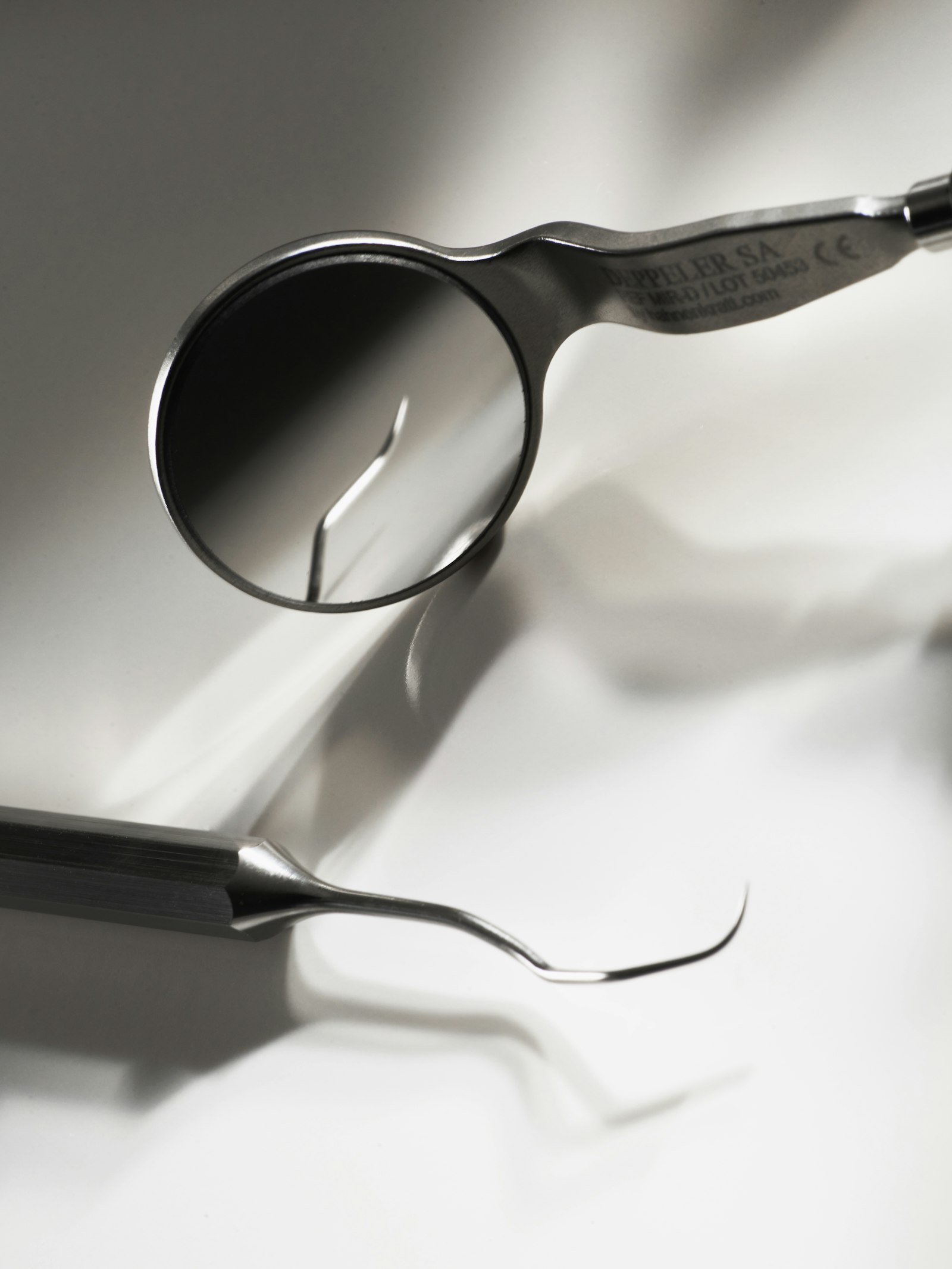
Most dental treatments are done after a problem has appeared. Yet many cases of decay and gum disease can be prevented or stopped with much simpler methods if they are noticed early. Preventive dentistry aims to do exactly this: to protect teeth before they become diseased. In this article we have gathered the topics we discuss with patients who come for regular check-ups at our Korupark and Ataevler branches in Bursa.
What is preventive dentistry?
Preventive dentistry covers all the measures aimed at preventing decay and gum disease: regular check-ups, professional cleaning, fluoride treatment, fissure sealants and good oral care habits. It is for both children and adults.
A small cavity caught early can be treated with a small filling, and gum inflammation noticed early can be brought under control with a cleaning. If left, the same problems can lead to root canal treatment, extraction or even an implant.
What happens at a dental check-up?
- Checking the teeth and fillings for decay
- Checking gum health and gum pockets
- Assessing areas that cannot be seen with X-rays when needed
- Checking the soft tissues of the mouth (tongue, cheeks, palate)
- Assessing teeth clenching, wear and bite problems
- Brushing and care advice tailored to you
How often should I have a dental check-up?
There is no single interval for everyone. Check-ups are planned less often for people with a low risk of decay and gum disease, and more often for those at higher risk. For most people, a check-up and professional cleaning at least once a year is a good start. People with gum disease, many fillings, implants or orthodontic treatment may need more frequent check-ups. Your dentist will decide the right interval for you after the examination.
What are the preventive treatments?
Scaling (tartar removal)
Hardened plaque that cannot be removed with a toothbrush (tartar) is the most common cause of gum inflammation. Professional cleaning removes the tartar and polishes the surface. For details, see our tartar removal and bleeding gums article.
Fluoride treatment
Fluoride strengthens tooth enamel and increases its resistance to decay. In the clinic it is applied to the teeth as a varnish or gel. It may be recommended for children and for adults with a high risk of decay.
Fissure sealants
The deep grooves on the chewing surfaces of back teeth are places a toothbrush struggles to reach and where decay often starts. A fissure sealant closes these grooves with a thin protective material. It is usually applied to newly erupted permanent molars; it is quick and does not involve drilling the tooth. For treatments for children, see our paediatric dentistry page.
Night guard
For people who clench or grind their teeth at night, it helps prevent wear and fracture of the teeth. You can find details in our teeth grinding and night guard article.
Preventive care at home
- Brush your teeth twice a day for at least two minutes with a fluoride toothpaste.
- Use dental floss or an interdental brush once a day.
- Avoid having sugary foods and drinks frequently between meals.
- Do not rinse your mouth with lots of water after brushing; let the protective effect of the toothpaste last a little longer.
- If you smoke, get support to quit; smoking increases the risk of gum disease.
- Help children brush until they can brush well on their own. You can find tips in our brushing children’s teeth article.
When should I come without waiting?
- If your gums bleed for more than a few days
- If sensitivity to hot and cold or pain has started in a tooth
- If you notice a sore that does not heal or a colour change in your mouth
- If you feel that your teeth are loose
Frequently asked questions
Should I have a check-up even if I have no complaints?
Yes. Decay and gum disease often cause no symptoms at first. Regular check-ups help find problems while they are small.
Does scaling damage the teeth?
No. Properly done cleaning does not damage tooth enamel. There may be mild sensitivity for a few days after cleaning.
Who are fissure sealants for?
They are usually applied to newly erupted permanent molars, especially in children and teenagers. They may also be recommended for adults with a high risk of decay.
Is fluoride treatment safe?
Fluoride applied in the clinic by a dentist in the right amount is considered safe and increases resistance to decay.
How often should I have my teeth scaled?
For most people once or twice a year is enough. People with gum disease may need it more often; your dentist will decide the interval.
Book a dental check-up in Bursa
If it has been more than a year since your last check-up, plan one even if you have no complaints. You can book an appointment at our two branches in Bursa:
Korupark Branch (Osmangazi): +90 224 243 00 44 · WhatsApp +90 532 497 11 17
Ataevler Branch (Nilüfer): +90 224 503 66 00 · WhatsApp +90 552 503 66 00
Korudiş Dental Team
This article is for general information; the right treatment for you can only be decided by your dentist after an examination.